Affiliate marketing for Amazon brands sounds easy in theory.
You find creators. They promote products. Sales come in. Everyone wins.
But real life works differently.
Most Amazon sellers struggle with influencer outreach, tracking commissions, fake engagement, overpriced creators, and campaigns that barely generate actual sales. A lot of money gets wasted. Brands keep chasing “viral creators” while smaller creators with loyal audiences quietly drive better conversions.
That’s where Coral enters the picture.
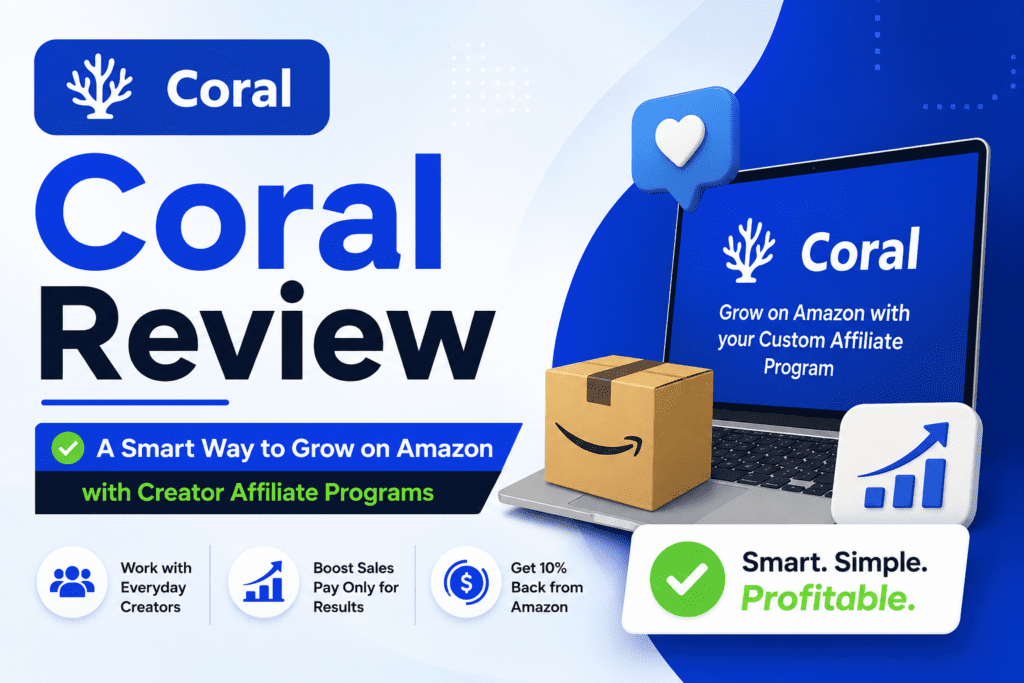
Coral is a creator affiliate platform built mainly for Amazon sellers and ecommerce brands. The idea behind it is pretty simple. Instead of depending on expensive influencer campaigns, brands can create their own affiliate program, invite creators directly, set custom commission terms, and only pay when sales happen.
Honestly, after going through the platform and features, Coral feels less like another flashy marketing tool and more like something built for practical growth.
And that matters.
First Impressions of Coral
The first thing noticeable about Coral is the simplicity.
No messy dashboard. No complicated setup process. No overwhelming screens trying too hard to look “techy.”
You sign up, create your affiliate setup, invite creators, and start tracking performance.
That’s basically it.
A lot of affiliate platforms overcomplicate things. Coral keeps the workflow clean. The interface feels modern but still easy to understand, even for people who are not deeply technical.
For busy Amazon sellers, that simplicity is important. Most sellers already deal with inventory issues, Amazon ads, listing optimization, customer reviews, shipping headaches… they don’t need another stressful system.
Coral seems to understand that pretty well.
What Coral Actually Does
At its core, Coral helps Amazon brands build their own custom affiliate program.
But unlike traditional influencer marketplaces where brands mostly rely on large influencers, Coral focuses heavily on “everyday creators.”
That includes:
- Small TikTok creators
- Instagram niche pages
- YouTubers
- UGC creators
- Micro influencers
- Content creators with smaller but loyal audiences
And honestly, this approach makes sense in today’s creator economy.
Big influencers often charge huge fees and sometimes deliver poor conversions. Meanwhile, smaller creators usually have stronger trust with their audience. Their recommendations feel more genuine.
Coral allows brands to tap into that creator network while keeping full control over commissions and partnerships.
How Coral Works
The process is actually pretty straightforward.
First, brands create their own affiliate program inside Coral.
After that, they set custom commission rates depending on products, profit margins, or campaign goals. This flexibility is useful because every Amazon seller operates differently.
Then creators join the affiliate program and start promoting products using their links.
When sales happen, Coral tracks the performance automatically.
And here’s the important part.
Brands only pay for successful sales.
When compared to traditional influencer deals, this performance-based structure reduces risk significantly. The traditional influencer deals companies often pay upfront with no guarantee of results.
It feels more practical. More sustainable too.
Features That Stand Out
1. Custom Affiliate Programs
This is the biggest feature of Coral.
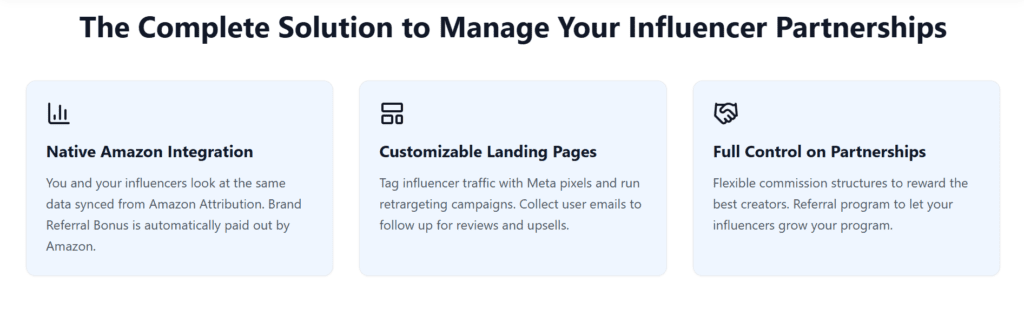
Brands are not locked into rigid systems. You can set your own commission structures, terms, and creator relationships based on your business goals.
That flexibility gives sellers more control over profitability.
Especially important for Amazon sellers where margins can already be tight.
2. Creator Recruitment
Coral focuses on helping brands work with everyday creators instead of only huge influencers.
That’s honestly one of the smarter parts of the platform.
Micro creators often produce better engagement because audiences trust them more. People are tired of overly polished sponsored content from mega influencers.
Smaller creators feel more authentic.
And authenticity usually converts better.
3. Pay Only for Sales
This feature alone makes Coral attractive for growing ecommerce brands.
Instead of spending thousands upfront on influencer sponsorships, brands pay commissions only when real sales happen.
That lowers financial risk a lot.
Especially for startups or smaller Amazon sellers trying to scale carefully.
4. Amazon Cashback Benefit
One interesting feature Coral highlights is the ability to get 10% back from Amazon.
That extra return can make a noticeable difference over time, especially for brands already spending heavily on marketing and customer acquisition.
Not many affiliate platforms emphasize this type of incentive.
5. Easy Campaign Tracking
Managing multiple creators manually becomes chaotic very quickly.
Coral centralizes affiliate tracking and creator performance in one dashboard. That helps brands monitor what’s working without juggling spreadsheets or endless emails.
The reporting system feels straightforward and not overly complicated.
Which honestly is refreshing.
6. Full Control Over Affiliate Partnerships
One of Coral’s biggest advantages is the level of control it gives brands over their affiliate programs.
Brands can:
- Set custom commission rates for individual affiliates
- Upload their own affiliate contracts and terms
- Define content guidelines and usage rights
- Control creator approvals manually or automatically
Creators must accept the brand’s terms before accessing affiliate links, adding an extra layer of professionalism and legal clarity.
7. Automated Operations for Scaling Affiliate Programs
Coral also simplifies the operational side of affiliate marketing by automating several time-consuming tasks.
Coral handles:
- Amazon Attribution link generation
- Shared reporting between brands and affiliates
- Monthly automated payouts
- Click and sales tracking
- Creator onboarding
This allows brands to maintain direct creator relationships without manually managing spreadsheets, tracking links, or payouts.
Coral’s Approach to Building Long-Term Creator Partnerships
One thing that makes Coral different from many affiliate platforms is its focus on long-term creator relationships instead of traditional creator marketplaces.
Many influencer and affiliate platforms operate through internal marketplaces where creators frequently move from brand to brand, often posting only once or twice before switching to the next campaign. While this model can generate short-term exposure, it may not help brands build lasting partnerships with creators who genuinely align with their products.
Coral intentionally takes a different approach.
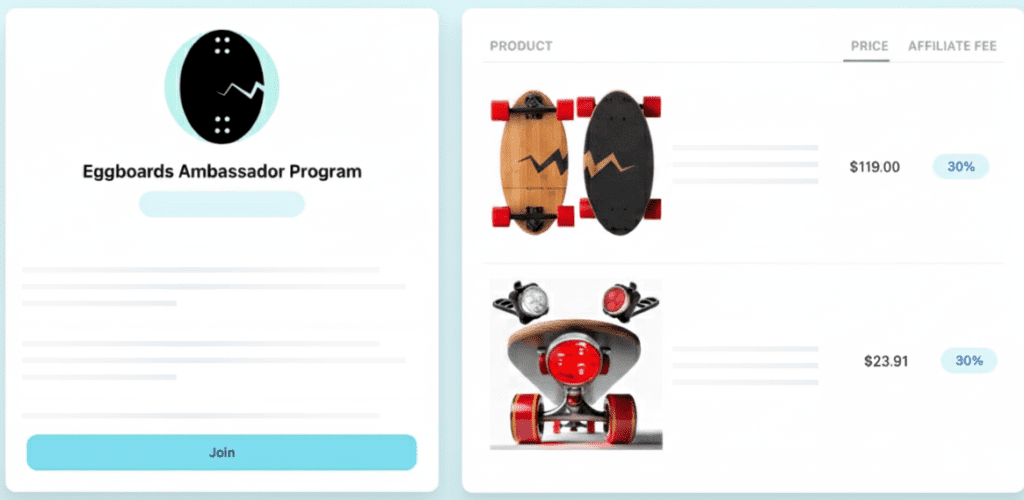
Instead of relying on a built-in creator marketplace, Coral allows brands to invite creators directly through customizable signup pages. Brands can share these pages through social media, email campaigns, websites, or direct messages to recruit creators they actually want to work with.
Here’s an example of a Coral creator signup page:
Example Coral Creator Signup Page
This system helps brands create more authentic and long-term creator partnerships rather than one-time promotional collaborations.
Custom Creator Contracts & Terms
Another useful feature is Coral’s support for custom creator agreements.
Brands can upload their own contracts, terms, and conditions that creators must accept before receiving affiliate links. This is especially valuable for defining:
- Content usage rights
- Brand guidelines
- Partnership expectations
- Content approval requirements
- Promotional policies
For brands running serious affiliate or ambassador programs, this adds an extra level of professionalism, legal clarity, and brand protection that many affiliate platforms do not offer.
Pricing
One thing I liked about Coral is that the pricing feels transparent.
No hidden enterprise-only nonsense. No confusing sales calls before understanding the platform.
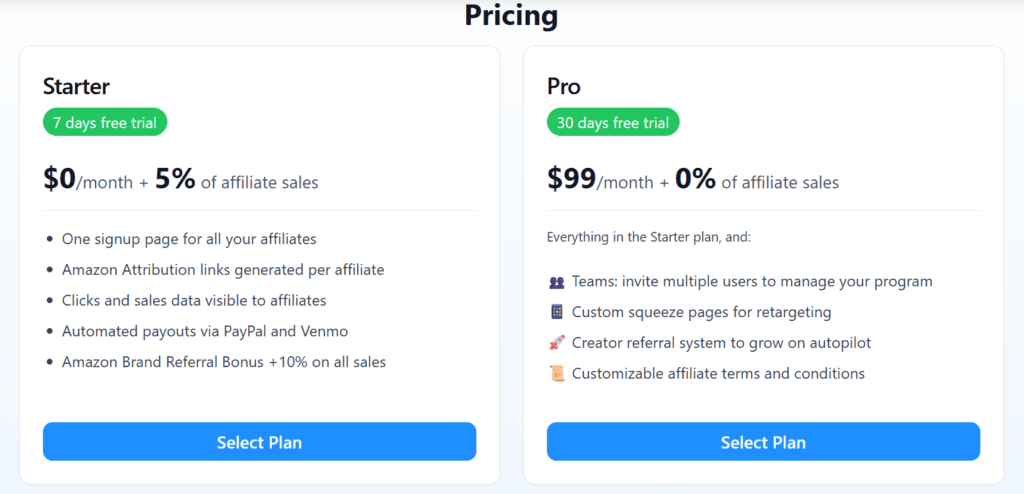
The pricing structure is divided into two main plans.
Starter Plan
- 7-day free trial
- $0/month + 5% of affiliate sales
Features included:
- One signup page for affiliates
- Amazon Attribution links generated per affiliate
- Click and sales tracking visible to affiliates
- Automated payouts through PayPal and Venmo
- Amazon Brand Referral Bonus with 10% back on all sales
Honestly, this plan makes sense for smaller Amazon sellers or brands testing affiliate creator marketing for the first time.
Since there’s no monthly fee, the risk stays low.
Pro Plan
- 30-day free trial
- $99/month + 0% of affiliate sales
Includes everything from the Starter plan plus:
- Team access with multiple users
- Custom squeeze pages for retargeting
- Creator referral system for automatic growth
- Customizable affiliate terms and conditions
For growing ecommerce brands, the Pro plan probably delivers better long-term value because businesses keep 100% of affiliate sales commissions without Coral taking a percentage.
That becomes important as sales volume grows.
What I Liked About Coral
A few things genuinely stood out while reviewing the platform.
First, the focus on practical results instead of vanity metrics.
Coral is clearly designed around conversions and affiliate-driven sales, not just impressions or likes.
Second, the creator strategy feels modern.
The internet is changing. Smaller creators are becoming more valuable because audiences trust them more than polished celebrity influencers.
Coral seems built around that shift.
Third, the platform feels simple.
That may sound like a small thing, but many SaaS products fail badly here. Coral avoids unnecessary complexity and focuses on usability.
And lastly, the pay-for-sales structure reduces wasted marketing spend. That alone can make a huge difference for Amazon sellers operating on tighter margins.
Where Coral Could Improve
No platform is perfect though.
Some larger businesses want deeper analytics or more advanced automation features when they scale campaigns.
The platform also feels more focused on Amazon-centric growth rather than broader ecommerce ecosystems right now.
But honestly, for its target audience, Coral already covers the core functionality quite well.
Final Verdict
Coral feels like a platform built for how creator marketing actually works today.
Instead of chasing celebrity influencers and vanity numbers, it focuses on performance, smaller creators, and measurable sales growth.
That’s smart.
The ability to create custom affiliate programs, recruit everyday creators, set your own commission terms, and only pay for real sales makes the platform appealing for Amazon sellers trying to grow efficiently.
And the 10% back from Amazon incentive adds another layer of value.
Is Coral revolutionary? Maybe not.
But it solves real problems in a clean and practical way.
For Amazon brands serious about creator-driven growth without wasting money on ineffective influencer campaigns, Coral is definitely worth exploring.

