Podcasting used to feel optional. Something companies tried when they had extra time or a spare marketing budget. That has changed. Today, podcasts sit somewhere between branding, sales, and reputation-building and that makes them harder to handle than they look.
That’s where Fame enters the picture.
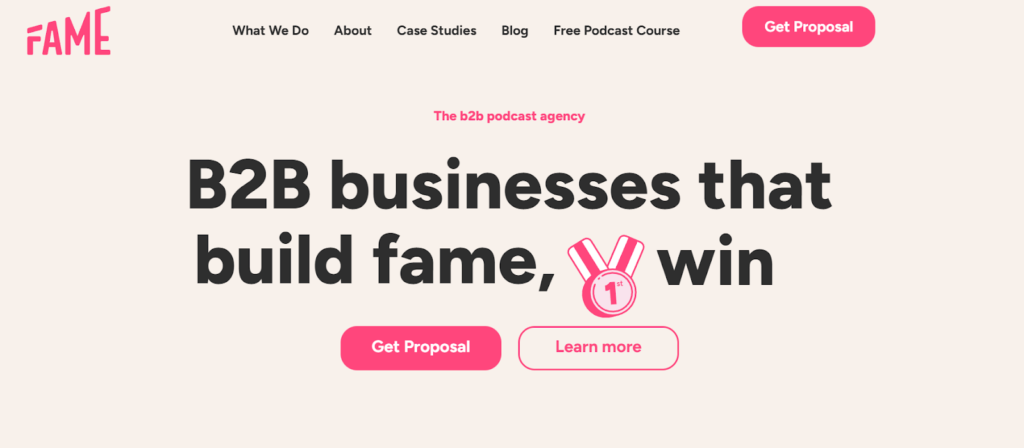
Fame is not built around trends or quick attention. It doesn’t frame podcasting as a shortcut. Instead, it treats podcasts as a long-term communication channel — one that rewards patience, consistency, and clarity. This review looks at Fame from that angle: not as a flashy agency, but as a practical partner for businesses that want to be heard without shouting.
Fame’s Place in the Current Podcast Landscape
Many podcast services focus on production. They make sure audio sounds clean, episodes go live on time, and artwork looks professional. That’s useful, but it’s only part of the problem.
The harder part is knowing why a podcast exists in the first place.
Fame’s work revolves around that question. It positions podcasts as a way for companies to stay present in industry conversations, not as content made “just in case someone listens.” The emphasis is less on entertainment and more on credibility over time.
This approach makes sense in B2B environments, where attention grows slowly and trust matters more than clicks.
A Brief Look at How Fame Started
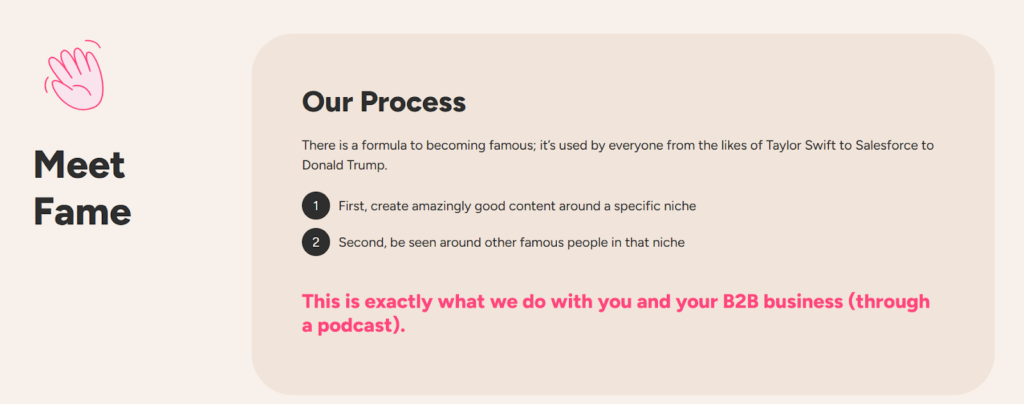
Fame didn’t begin as an agency idea. It started as a practical experiment. A few years ago, its founder Tom was working as Head of Marketing at a B2B SaaS company and decided to launch a podcast simply to understand potential customers better. The show wasn’t built for hype or numbers, but it ended up delivering clear business value and helped the brand become well-known in its niche.
That experience became the foundation for Fame. Tom took what worked in-house and turned it into a service other B2B companies could use. Interestingly, the company where it all started is still a Fame client today, several years later.
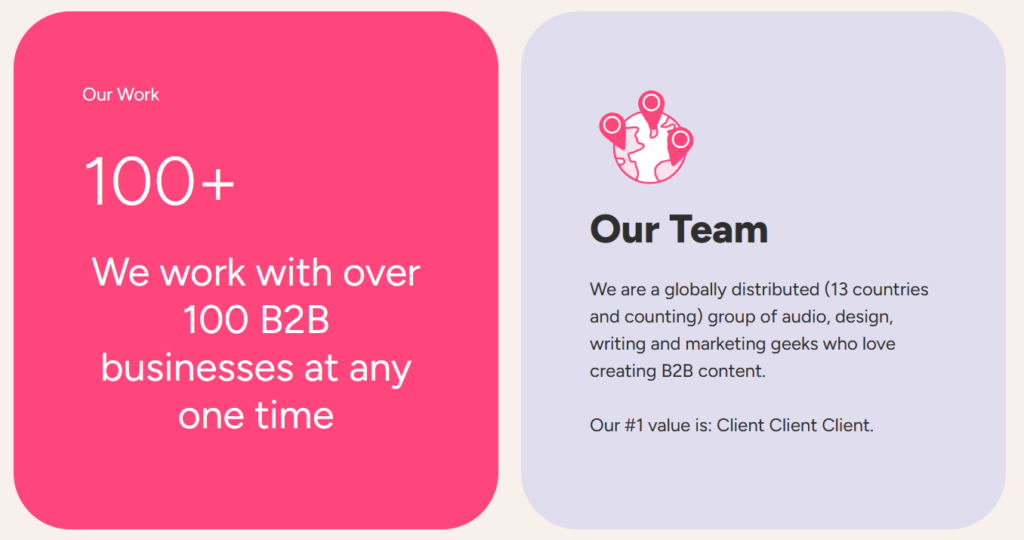
Since then, Fame has grown quietly but steadily. The team now works remotely across multiple countries and has supported hundreds of B2B podcasts. Over time, its services expanded to include lighter production options, guest booking, and short-form podcast clips—reflecting how podcasting and content consumption have evolved.
How Fame Approaches Its Services
Fame doesn’t package its services as separate products that live in isolation. They’re meant to support one another. Think of these services as different pieces of the same workflow, not standalone tools.
Podcast Creation (The Foundation)
Everything starts with the podcast creation itself. Fame helps shape the idea, narrow the focus, and keep the show from becoming vague or unfocused. The goal isn’t to sound clever. It’s to sound relevant to the right audience, week after week.
This part matters more than most people expect. A clear direction saves time later.
Promotion That’s Meant to Last
Instead of pushing episodes everywhere at once, Fame takes a slower, more deliberate approach to promotion. The aim is to get episodes in front of people who are already interested in the topic, not to chase big numbers for their own sake.
For business podcasts, this usually works better.
Guest Appearances Through Fame Connect
Rather than waiting for a new podcast to grow, Fame also helps clients appear on existing shows. Speaking on the right podcasts brings faster visibility most of the times.
It’s less about exposure everywhere, more about being heard in the right places.
Editing and Publishing Support (Fame Lite)
Some teams already record content but don’t want to deal with cleanup and publishing. Fame Lite exists for that reason. It handles the behind-the-scenes work that keeps episodes consistent and professional.
Nothing flashy here , just reliability.
Short Clips for Social Platforms
Long conversations don’t travel far on their own. Fame Clips pulls short moments from episodes and turns them into small pieces for social platforms.
These clips act like introductions. If someone likes the short version, they’ll usually look for the full episode.
On-Site Recording With Fame Crew
For live sessions, events, or office recordings, Fame Crew handles the technical setup. Cameras, sound, lighting – all taken care of.
This lets teams focus on discussion or talking, not troubleshooting equipment.
Why This Setup Feels Practical
What ties all of this together is simplicity. Fame’s services follow a natural loop: create something worth listening to, make sure it’s heard, and keep the process manageable.
It’s not built for quick wins. It’s built for consistency.
What Fame Does Well (Without Overpromising)
One of Fame’s strongest qualities is restraint. It doesn’t frame podcasts as instant lead machines. Instead, it treats them as reputation infrastructure.
That mindset shows up in how Fame approaches content. Conversations are designed to be thoughtful rather than catchy. Guests are chosen for relevance, not popularity. Promotion is steady, not aggressive.
Another strength is focus. Fame doesn’t try to serve every kind of creator. Its systems are clearly built for companies, founders, and professionals who already have something to say — they just need help saying it consistently.
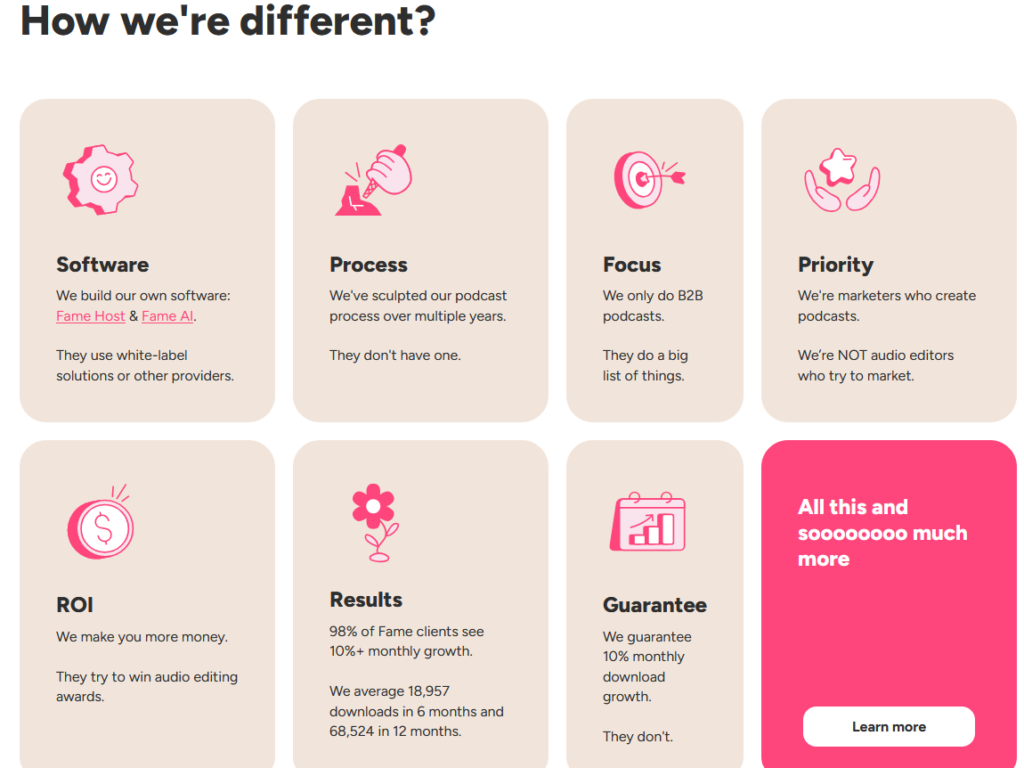
From what Fame shares about its past work, most client podcasts tend to grow steadily rather than all at once. Growth usually shows up gradually, month by month, as episodes stack up and audiences start to recognize the show. In many cases, that momentum becomes noticeable after the first few months, once the podcast finds its rhythm.
Looking at the averages Fame mentions, it’s common for podcasts to move into the tens of thousands of downloads within the first year. Some shows reach meaningful traction around the six-month point, while others take longer depending on the niche, how consistently episodes are released, and how involved the host is in promotion.
That said, these figures are best read as examples of what has happened before, not as promises. Podcast growth is influenced by many moving parts — the subject matter, how clearly the show is positioned, and how much effort goes into each episode. Fame provides the structure and support, but results still depend on how the podcast is used in practice.
Where Fame May Not Be the Right Fit
Fame’s approach won’t suit everyone.
Companies looking for immediate sales results may find podcasting too slow. Podcasts work best when they support long-term positioning, not short campaigns.
Smaller teams with very limited budgets may also struggle to justify a full-service engagement. Fame’s value increases when a company is willing to commit time and attention, not just money.
And for creators focused on entertainment, humor, or lifestyle content, Fame’s structured, business-oriented approach may feel restrictive.
These aren’t flaws. They’re boundaries.
A More Human Perspective on Fame’s Role
What makes Fame interesting isn’t innovation. It’s discipline.
In a space filled with exaggerated growth promises, Fame serves more like an editor than a marketer. It asks uncomfortable but useful questions: Who is this for? Why should anyone listen? What’s worth repeating?
That kind of thinking doesn’t produce dramatic spikes. It produces something quieter familiarity.
Listeners begin to recognize voices. Conversations feel less like content and more like continuity. Over time, that recognition turns into trust.
Not every company values that kind of outcome. But the ones that do tend to stick with it.
Final Thoughts
Fame is not a shortcut to attention. It’s a B2B Agency for staying visible without being noisy.
For businesses that see podcasting as part of their identity not a marketing experiment, Fame offers structure, support, and patience. It removes technical friction and replaces guesswork with process.
If you’re looking for something flashy, this probably isn’t it. If you’re looking for something durable, Fame is worth serious consideration.

